







Search Results for: rainfall in Brazil
Brazil's coffee exports plummeted 27% in August, global prices soared by nearly 50%, and the industry faces multiple challenges.
Recently, the Brazilian coffee industry has come under multiple pressures: August exports fell 27% year-on-year, transportation bottlenecks have left large quantities of goods stranded at ports, and industry losses have reached as high as US$500 million. At the same time, global coffee prices have surged by nearly 50%, intensifying market volatility. Brazil has already sold 60% of this year's crop, but Arabica growth has slowed. On the weather front, the southern producing regions have received rainfall, which may affect the subsequent harvest. This article summarizes the latest producing-region news, covering exports, sales, climate, and Front Street Coffee-related developments, providing coffee lovers with a comprehensive interpretation. [more…]
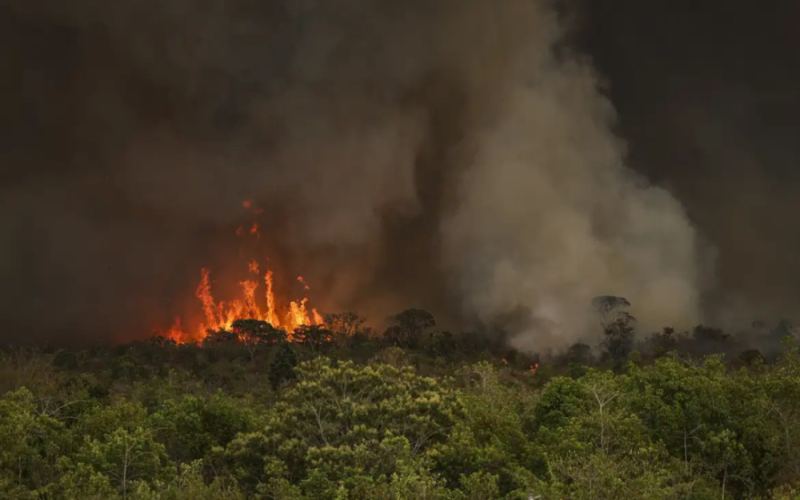
Rainfall in Brazil Fails to Alleviate Drought in Coffee-Growing Regions, New Crop Yields Remain Under Pressure
Since 2024, Brazil has been continuously hit by high temperatures, droughts, and severe fires, with large areas of forest and farmland destroyed, agriculture suffering heavy losses, and coffee-growing regions also deeply affected. Although southern Brazil recently received rainfall, the brief precipitation is unlikely to fundamentally ease the drought, and the outlook for coffee production in the new season remains bleak. At the same time, Brazil's coffee exports have performed strongly but are constrained by port logistics congestion, keeping international coffee prices persistently high. This article will review the multiple impacts of Brazil's fires and drought on the coffee industry and analyze current export and price trends. [more…]
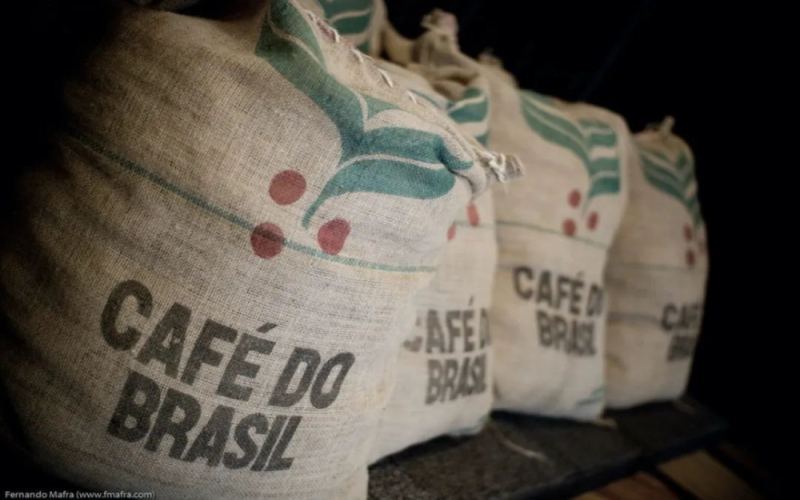
Brazilian Arabica Production Expected to Drop Over 10%, Drought and Extreme Weather Continue to Disrupt the New Crop Season
StoneX has released its first estimate for Brazil's 2025/26 coffee crop, projecting total production at approximately 65.6 million bags, a slight decrease of 0.4% from the previous year. Arabica is expected to decline by 10.5% to 40 million bags, while Robusta is forecast to increase by 20.9% to 25.6 million bags, though the gain in Robusta will not be enough to offset the shortfall in Arabica. The decline is mainly attributed to unfavorable weather in Minas Gerais and São Paulo: first severe drought, followed by storms and strong winds. Soil moisture deficit in Minas Gerais reached its second-highest level on record, with October rainfall far below normal, and future hot and dry conditions may continue to affect the fruit-setting stage. Meanwhile, improved rainfall in Espírito Santo is benefiting Robusta. The European Parliament's decision to delay EUDR implementation by one year also provides a buffer period for Brazil's coffee exports. [more…]
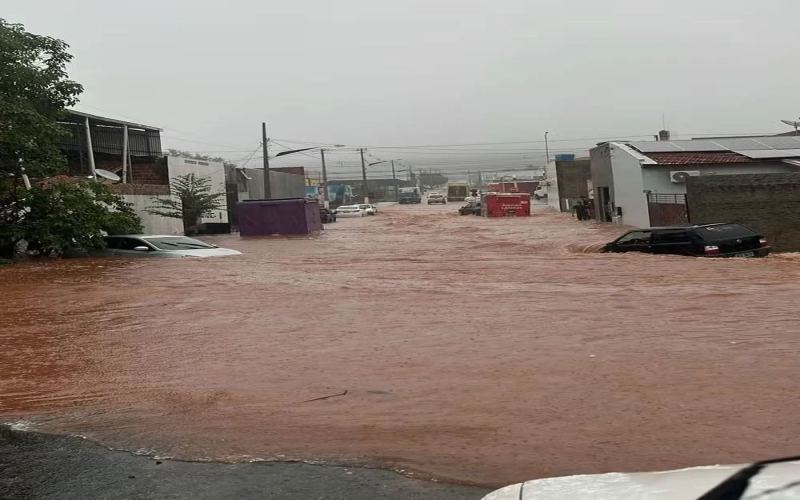
Heavy Rain in Southern Brazil Impacts Coffee Regions, Local Production May Drop by Up to 30%
Central and southern Brazil recently experienced heavy rainfall, with southern Mato Grosso and São Paulo state severely affected, impacting both transportation and power supply. Meanwhile, rainfall in Minas Gerais remains below the historical average, and the worst drought and wildfires in nearly 70 years have already caused deep damage to coffee cultivation. Although concentrated flowering occurred in October, whether the flowers will develop into fruit remains to be seen in December. Multiple institutions expect coffee production in the most severely affected areas to decline by 20% to 30%, with the potential of both the 2024/25 and 2025/26 crop years affected. [more…]
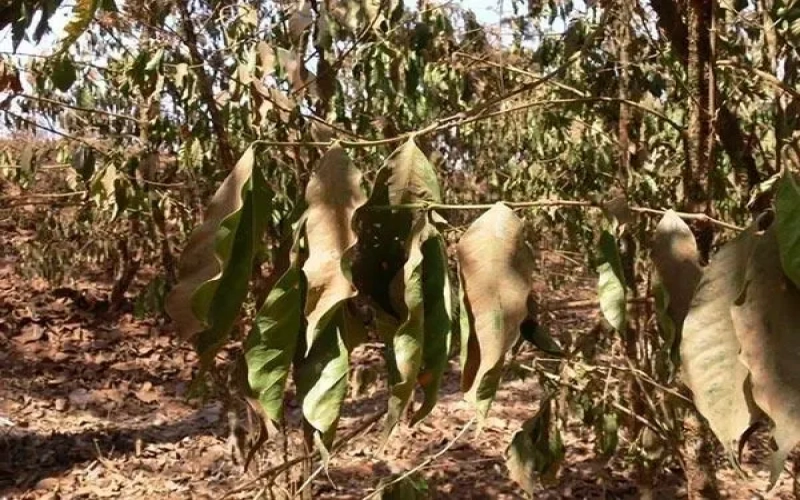
Vietnam's drought persists amid uneven rainfall, with Robusta potentially facing a 2.7 million bag supply deficit next year
The dual impact of persistent drought and uneven rainfall distribution has cast a shadow over the global robusta coffee supply outlook. In Vietnam's Dak Lak province, about 40% of coffee trees still lack water, and coffee production is expected to decline by 20% to a four-year low; in Brazil's largest producing region, Minas Gerais, there has been no rain for three consecutive weeks. Although prices previously plummeted due to a recovery in exports and the restoration of international inventories, signs of a rebound have recently emerged. Global financial services platform Marex Group Plc predicts that, affected by reduced production in Brazil, Vietnam, and Indonesia, the global robusta coffee market will face a supply gap of 2.7 million bags next year, and upward pressure on prices should not be underestimated. [more…]
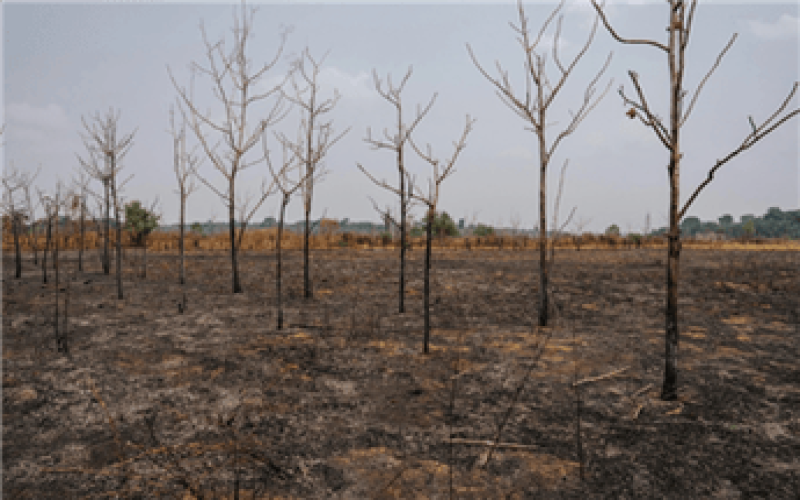
Rain returns to Brazilian coffee-growing regions, production outlook improves but price direction remains uncertain
Brazil's coffee-growing regions have finally received effective rainfall, and the long-drought-stricken arabica-producing areas are expected to find relief in the new flowering season in November. However, months of extreme heat and water shortages have already caused substantial damage to production for the 2024/25 and 2025/26 crop years. Water levels in the Amazon basin remain at historic lows, and shipping disruptions are driving up logistics costs. At the same time, the sharp plunge in the real exchange rate, port delays, and the postponement of the EU's EUDR policy, among multiple interwoven factors, have filled the outlook for Brazil's coffee production and prices with uncertainty. This article reviews the latest weather developments, industry impacts, and chain reactions in the market, and includes Front Street Coffee's continued attention to origin information. [more…]

Severe rain warnings in seven Brazilian states spark concerns over new coffee crop yields, coffee futures prices climb again
Brazil's National Institute of Meteorology recently issued storm and heavy rain danger warnings for seven states, including Minas Gerais, São Paulo, and Paraná, with expected rainfall of 50 to 100 millimeters per day and accompanied by strong winds of 60 to 100 kilometers per hour. Rainfall in northern São Paulo state has already accumulated to 90 millimeters, with local areas reaching up to 100 millimeters, and the risk of landslides and flooding has prompted the warning center to issue a yellow alert. Although no serious economic losses have been reported so far, the market is widely concerned that this round of severe weather will once again impact Brazil's new coffee crop production. The severe drought and forest fires from April to September had already damaged coffee trees during the flowering stage, leading many institutions to lower production forecasts and drive up coffee prices. This article will review key information such as Brazil's recent weather conditions, coffee futures trends, exchange rate impacts, and traders' credit risks. [more…]

Heavy Rain in Southern Brazil Devastates São Paulo Coffee Region, Flooding Threatens New Crop Yield During Flowering Season
Several states in southern Brazil have recently been hit by severe storms and heavy rain, with São Paulo and Rio de Janeiro states particularly hard hit, causing casualties and widespread power outages. This coincides with the flowering season for Brazilian coffee trees, and excessive rainfall and flooding could wash out farmland and knock coffee flowers off the trees, threatening production for the new season. At the same time, disrupted rainfall patterns in Minas Gerais are making the planting situation even more severe. The storms have also affected logistics and transportation, worsening ship delays at ports. The market is worried that a reduction in Brazilian coffee production will persist, and prices may remain high or even rise further. This article will review the impact of the disaster and the subsequent trajectory of the coffee industry. [more…]
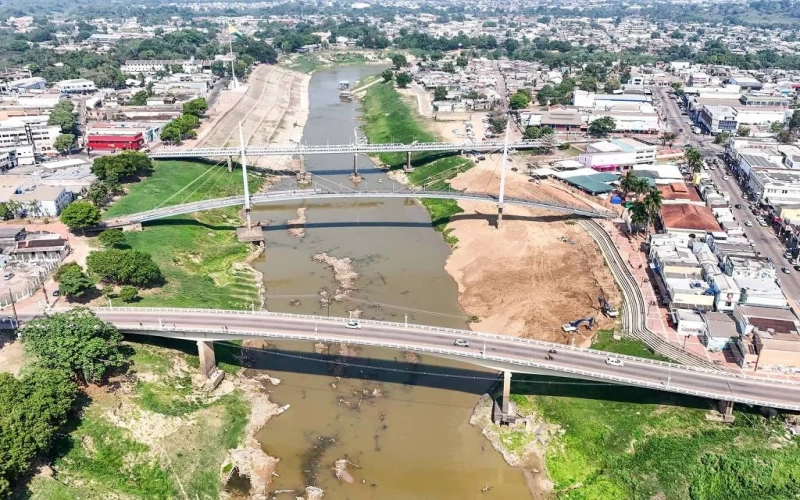
Drought in Brazil continues to intensify: over three thousand cities affected, coffee and other crops face pressure of reduced yields
Brazil's National Meteorological Agency recently issued a warning that the central region of the country will continue to experience dry conditions with little rain, and the dry season is more severe than in previous years. Currently, more than 3,000 cities are in varying degrees of drought, with over a thousand cities facing extreme or severe drought. Acre, Amazonas, and many other places have declared states of emergency, with frequent fires, falling river levels, and poor harvests of major agricultural products such as coffee. Brazil's largest coffee cooperative, Cooxupe, pointed out that many producing regions have gone more than three months without rainfall, and August rainfall is still expected to be zero. Coffee farmers are pinning their hopes on the return of rain when the dry season ends in September to October, but La Niña may once again disrupt the weather and threaten coffee production in the next crop season. Affected by this, international coffee prices remain high, and many European and American manufacturers have announced price increases. Front Street Coffee will continue to monitor developments in Brazilian producing regions and trends in the coffee market. [more…]
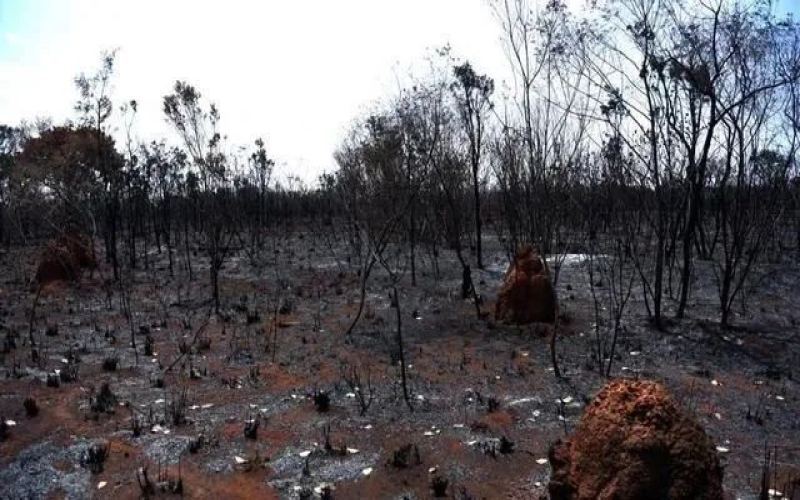
Brazil Fires Cause 14.7 Billion Reais in Agricultural Losses; New Coffee Crop Expected to Fall 6.8%
Brazil has recently suffered severe fires and a historic drought, with agribusiness losses reaching 14.7 billion reais, and coffee-growing regions have also been affected. According to estimates by the Brazilian Confederation of Agriculture and Livestock, the fires from June to August caused enormous economic losses, with São Paulo state hit hardest. At the same time, Brazil is experiencing an extreme drought, with more than a thousand cities going months without significant rainfall, many rivers shrinking, and coffee tree growth severely affected. The official agency Conab has already lowered its forecast for 2024/25 coffee production, expecting a reduction of 4 million bags, a decline of 6.8%. If weather conditions do not improve before the end of the year, production may decline further, and coffee prices will remain high. [more…]
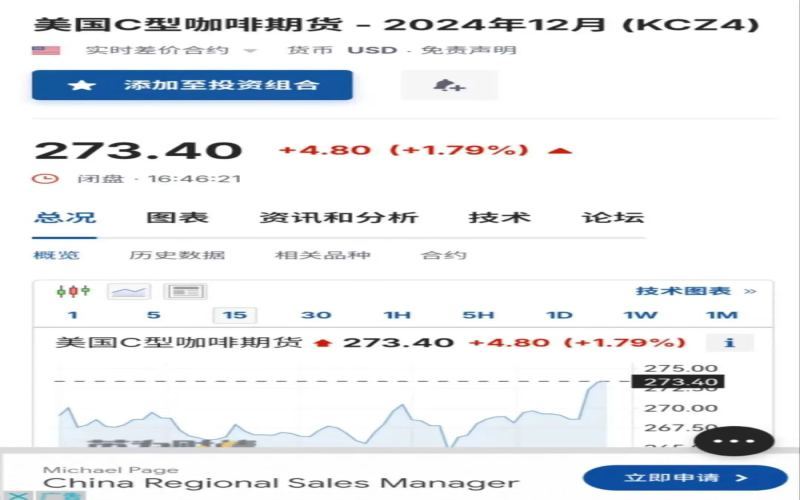
Arabica futures break through 273 cents to a ten-year peak, as extreme weather in Brazil continues to push coffee prices higher
The global coffee market is currently enduring a rare price storm. Driven by climate factors such as prolonged drought, high temperatures, and uneven rainfall distribution in Brazil, combined with steadily rising global coffee demand, both Arabica and Robusta coffee futures prices have hit record highs. Arabica futures have reached 273.4 cents per pound, a ten-year high; Robusta's surge has been even more ferocious, with an increase of 74% within the year. As the world's largest coffee producer, Brazil's domestic retail coffee prices have risen to their highest level since records began in 1997. This article will examine the climate, production, and market factors behind this round of coffee price increases, and look ahead to the prospects for the next harvest season. [more…]
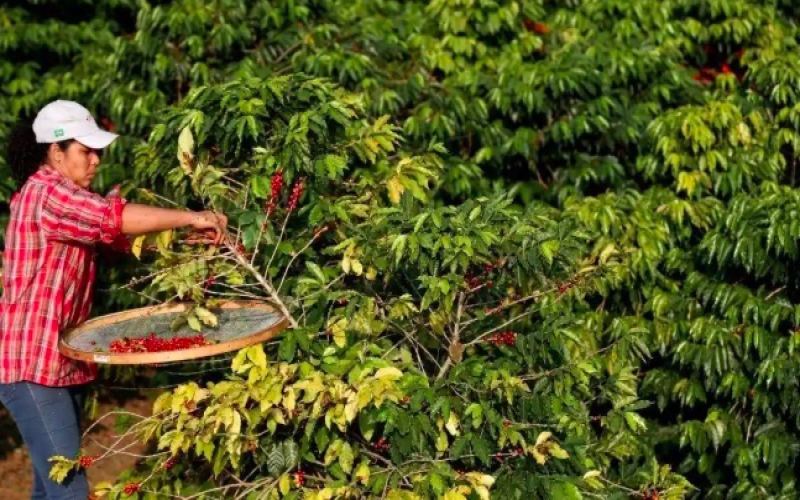
Brazil's green coffee exports accelerated in August, with exports in the first three weeks already exceeding the entire month last year.
Brazilian green coffee exports accelerated noticeably in August. Data released by Brazil's Secretariat of Foreign Trade (Secex) shows that as of August 24, Brazil had exported 153,800 tonnes of green coffee this month, surpassing the 142,900 tonnes exported in the entire month of August last year. In terms of average daily export volume, in August this year Brazil's daily [more…]
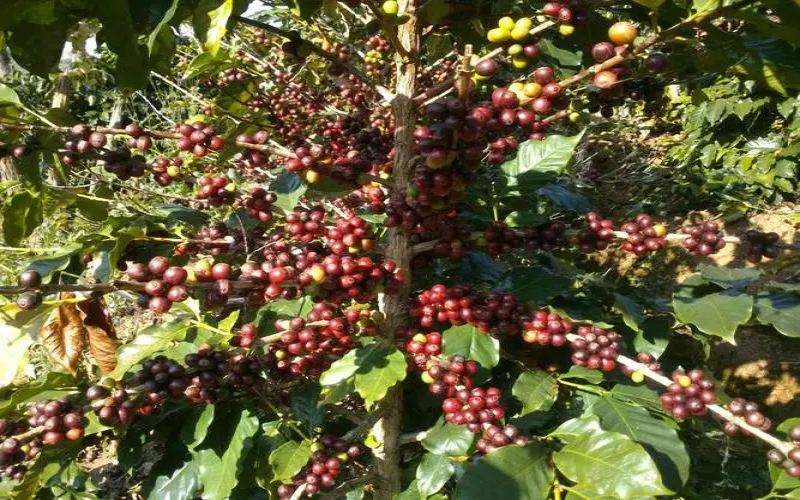
Global Coffee Supply Landscape Shifts: Arabica Prices Fall, Robusta Remains High Due to Vietnam Drought
The global coffee market has recently shown divergent trends. According to International Coffee Organization data, global coffee exports have increased year-on-year, with improved Arabica supply driving prices down, while Robusta remains firm or even hits historic highs due to persistent tight supply amid drought in Vietnam. Colombia's production is recovering after three years of decline, and Brazil's Arabica-producing regions have seen improved rainfall with upward revisions to production forecasts, but its Robusta-producing regions face high temperatures and scarce rain, leaving future output still to be observed. This article will review the specific data and weather impacts across the three major producing regions of Vietnam, Colombia, and Brazil to help coffee enthusiasts grasp the supply and demand logic behind current price fluctuations. [more…]
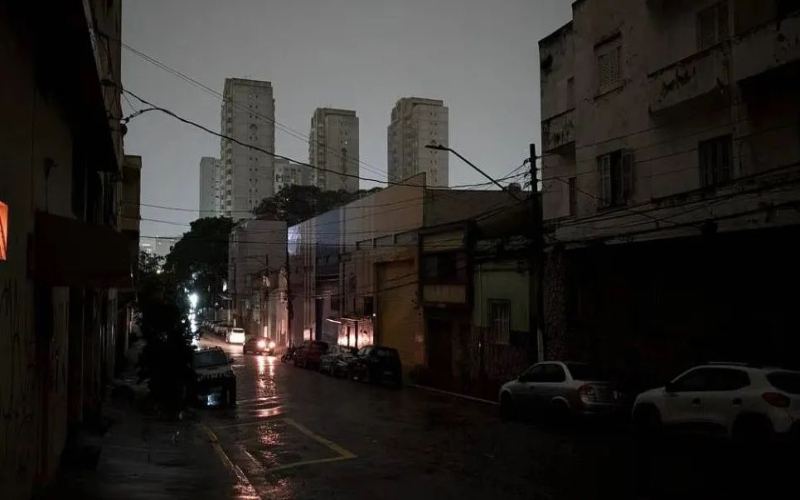
São Paulo State, Brazil Hit by Strongest Storm Since 1995, Coffee Industry and Multiple Sectors Suffer Losses of 1.65 Billion Reais
Brazil's São Paulo state recently suffered its strongest storm since 1995, with wind speeds reaching 107.6 kilometers per hour, causing at least 7 deaths, power outages for more than 3.1 million residential and commercial users, and cumulative economic losses of 1.65 billion reais. This extreme weather not only severely damaged local power supply and industrial production, but also directly harmed coffee trees that were in the flowering stage of the new crop season, leading to a decline in coffee production. At the same time, Brazil's largest coffee-producing region, Minas Gerais, continues to face the threat of drought and high temperatures. The official agency Conab has lowered its production forecast, with total output decreasing by about 4 million bags compared with the previous year. This article will provide a detailed review of the impact of this disaster on Brazil's coffee industry and related economic sectors. [more…]
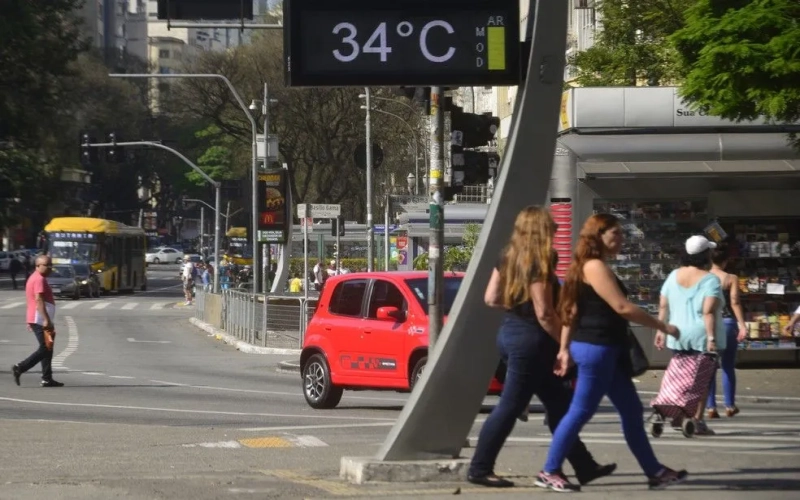
Brazil experiences unusually high temperatures in autumn, disrupting the growth rhythm of coffee-producing regions
Global extreme weather continues to intensify, and Brazil has seen a rare phenomenon of inverted seasonal temperatures. May should mark the start of autumn, yet São Paulo recorded its hottest day for the same period in 81 years, with temperatures soaring to 32.8°C and generally remaining above 30°C. Persistent high temperatures and scarce rainfall are disrupting the normal growth cycle of coffee trees, with drought conditions particularly severe in central producing regions such as Minas Gerais. At the same time, Brazil and Vietnam's production and export data are trending upward, putting pressure on both international futures and domestic spot prices, but the future weather trajectory remains highly uncertain. [more…]
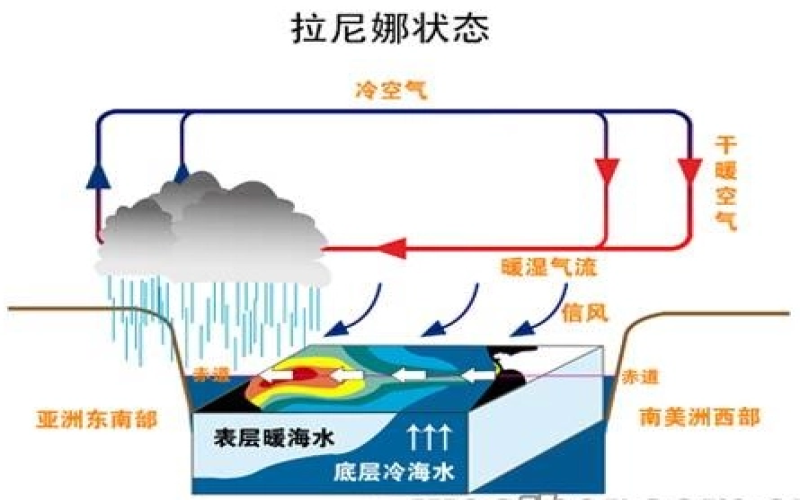
El Niño Expected to Wind Down in April, La Niña to Return in the Second Half of the Year and Potentially Batter Global Coffee-Producing Regions Again
The latest meteorological forecasts indicate that the El Niño condition is expected to come to an end around April 2024. After a brief neutral phase, La Niña may form between June and August and persist through the second half of the year. Previously, El Niño brought extreme weather such as heavy rain, drought, and high temperatures to coffee-growing regions in Brazil, India, Vietnam, Indonesia, and other places, causing reduced production and driving up international coffee prices. As La Niña takes over, southeastern Brazil may face reduced rainfall and the risk of frost, while Indonesia may experience heavy rainfall and even floods, and the coffee berry harvest may be hit again. Front Street Coffee will also continue to monitor the impact of climate change in producing regions on the coffee supply chain. [more…]
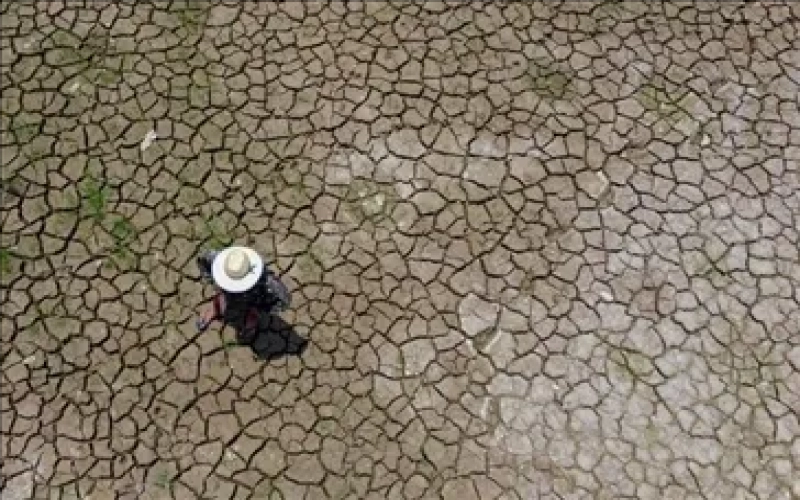
Over a thousand cities in Brazil hit by severe drought; harvest accelerates in major coffee-growing regions while supply outlook comes under pressure.
The latest report from the Brazilian government shows that more than 1,000 cities across the country are experiencing extreme or severe drought, with the number of fires hitting a near-decade high. Experts assess this as the most severe drought in the past 70 years. The northern Amazonas state and Mato Grosso do Sul state are particularly hard hit, while Minas Gerais, the main coffee-producing region, also faces the threat of high temperatures and scant rainfall. To cope with the adverse effects, Brazilian coffee regions are accelerating their harvest pace, but domestic market inventories are tight, expectations for new-crop supply have been revised downward, and the global coffee market remains highly attentive to changes in Brazilian supply. [more…]
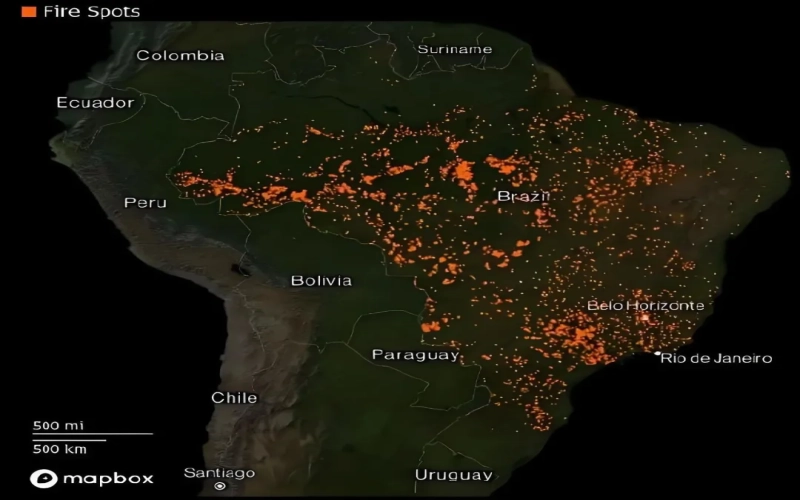
Drought and fires in Brazil affect nearly 60% of the country's land, coffee prices may continue to rise
Brazil is experiencing its most severe drought since records began in 1950, with nearly 60% of the country affected, frequent forest fires in many areas, and major coffee-producing regions such as São Paulo and Minas Gerais suffering serious damage. Coffee trees are in their flowering period, and the drought and fires have exacerbated adverse growing conditions and may lead to reduced output in next year's new crop season. At the same time, domestic spot prices for Robusta in Brazil have surpassed those for Arabica, and international coffee prices remain high. This article will provide a detailed analysis of the impact of the drought and fires on Brazil's coffee industry and global prices. [more…]
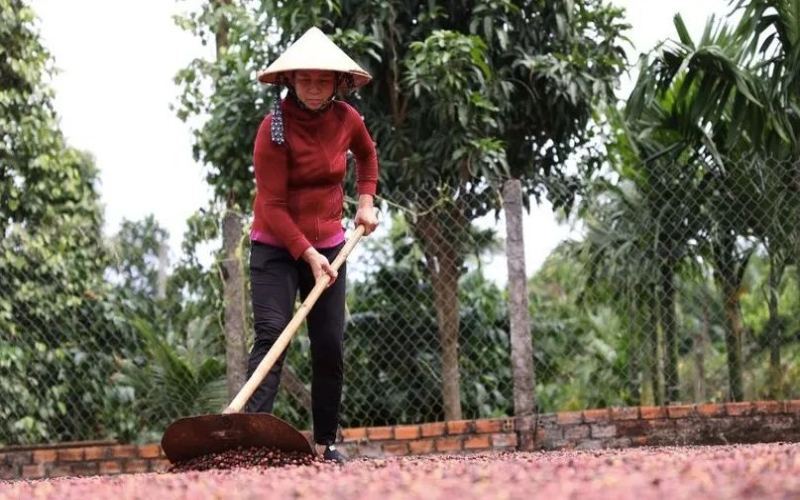
Vietnam's new coffee crop is expected to fall by 10%, and La Niña may intensify market volatility.
Recently, feedback data from multiple international coffee traders indicates that Vietnam's coffee production for the 2024/25 season is expected to decrease by 10%, potentially hitting its lowest level in nearly a decade. The return of La Niña has further fueled market concerns. As the world's second-largest coffee producer and largest robusta grower, Vietnam experienced its most severe drought in nearly ten years this year, particularly affecting the early flowering stage from March to May, leading to a second consecutive year of reduced output. Although rainfall increased somewhat by the end of May, it was insufficient to offset the damage from the earlier drought, with some coffee trees dying or growing poorly. In addition, Typhoon Yagi and the impending La Niña phenomenon may bring more rainfall, further threatening agricultural output. International robusta coffee futures prices once hit a nearly half-century high due to drought and fires, and recently fell sharply on Brazilian rainfall, but the market still expects prices to continue fluctuating before the end of the year. [more…]
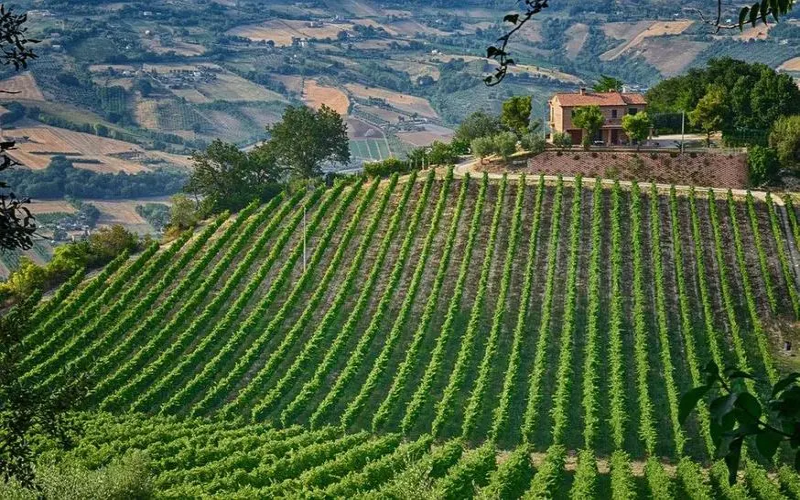
Brazil's coffee exports are gaining strong momentum, but drought and a dengue fever outbreak could weigh on the new crop season and sales outlook.
Recently, Brazil's coffee exports have shown strong performance, but extreme weather and a dengue fever outbreak are casting a shadow over the upcoming crop season. In Minas Gerais, the main Arabica-producing region, rainfall has been only 16% of the historical average, and drought is threatening production. Meanwhile, dengue fever cases have surged past 1.8 million, with multiple coffee-growing regions entering a health emergency, which could lead to a shortage of harvest labor. In addition, the probability of La Niña has risen to 62%, potentially bringing frost disasters. Although coffee sales for the 2023/24 season are progressing well, pre-sales for the 2024/25 season are slow, at only 11%, far below the same period last year. Coffee farmers are strongly reluctant to sell, and the market's wait-and-see atmosphere has intensified. Front Street Coffee reminds enthusiasts to pay attention to developments in the producing regions and to view price fluctuations rationally. [more…]